 Sports
Elevating Audience Engagement Through Sports Broadcasting Strategies
Understanding Sports Broadcasting Basics
Sports Broadcasting has transformed significantly over the decades, evolving from traditional radio shows and television broadcasts to sophisticated digital platforms. Understanding the intricacies of this field is essential for anyone aspiring to break into it or enhance their existing operations. One essential component is audience engagement, making it crucial to stay informed about the latest trends and technologies in Sports Broadcasting. This article delves deep into the various aspects of sports broadcasting, covering its evolution, key components, engagement techniques, best practices, and future trends.
The Evolution of Sports Broadcasting
The journey of sports broadcasting started with the advent of radio in the 1920s, allowing audiences to listen to live sports events from the comfort of their homes. This revolution was followed by the introduction of television in the 1950s, which brought an entirely new experience to viewers, enhancing how they consumed sports. The 21st century witnessed another revolution with the rise of the internet and mobile technology, giving rise to streaming services and social media platforms that now dominate sports broadcasting.
Key Components of Sports Broadcasting
Several key components are vital for successful sports broadcasting. These include:
- Content Delivery: Efficient and engaging delivery of sports content, tailored to different audience preferences.
- Technology: Utilization of the latest broadcasting technologies, including high-definition video, augmented reality (AR), and virtual reality (VR).
- Audience Engagement: Cultivating a loyal viewership through interactive content and community building.
Importance of Audience Engagement
In the competitive landscape of sports broadcasting, audience engagement is paramount. Fostering a connection with viewers can significantly increase brand loyalty and viewership. Personalization of content, real-time interactions through social media, and creating compelling narratives can amplify viewer retention and satisfaction.
Setting Up for Success in Sports Broadcasting
Success in sports broadcasting requires careful planning and execution across various facets, including equipment selection, platform choice, and audience understanding.
Essential Equipment for Sports Broadcasting
Having the right equipment is critical for high-quality sports broadcasting. Essentials include:
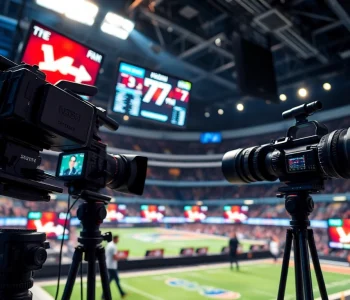
- Cameras: High-definition cameras capable of capturing multiple angles and slow-motion replays.
- Microphones: Professional-grade microphones that ensure clear audio transmission from commentators and on-field sounds.
- Video Switchers: Tools that allow seamless switching between different video feeds during live broadcasts.
Choosing the Right Platform
The choice of broadcasting platforms is fundamental to reach a broader audience. Traditional TV networks, online streaming services, and social media platforms each come with their unique advantages. Evaluating where your target audience spends most of their time will dictate the most effective channels for distribution.
Understanding Your Audience
Knowing your audience is indispensable in sports broadcasting. Conducting thorough market research to determine viewer preferences, age demographics, and content consumption habits will significantly enhance programming strategies. Omni-channel engagement across various platforms helps cater to diverse audience needs while maximizing reach.
Innovative Strategies in Sports Broadcasting
With changing viewer habits and technological advancements, innovative strategies are needed to captivate audiences effectively.
Utilizing Social Media for Real-Time Engagement
Social media represents a powerful tool in sports broadcasting, enabling real-time engagement with viewers. By providing live updates, behind-the-scenes content, and interactive polls, broadcasters can foster vibrant communities that keep audiences engaged and interested.
Incorporating Interactive Elements
Interactive features such as live chats, polls during broadcasts, and fan Q&A sessions can drastically enhance viewer engagement. These tools create a participatory experience, making the audience feel part of the event rather than passive observers.
Analyzing Viewer Feedback
Post-broadcast analysis of viewer feedback is essential for continuous improvement. Utilizing surveys, social media sentiment analysis, and viewer metrics not only helps identify what content resonates with the audience but also aids in refining future strategies.
Best Practices for Effective Sports Broadcasting
Adopting best practices can significantly elevate the quality and effectiveness of sports broadcasting. This not only enhances viewer experiences but also fosters loyalty.
Maintaining High Production Quality
High production quality remains a cornerstone of professional sports broadcasting. This involves not just high-definition video but also high-fidelity audio, engaging commentary, and effective camera handling. Consistently investing in quality improvement creates more immersive viewing experiences.
Developing Engaging Content
Crafting compelling stories around events, teams, or athletes enhances viewer interest. Utilizing narrative techniques, well-timed commentary, and visual storytelling can transform routine broadcasts into shareable experiences, amplifying reach and engagement.
Leveraging Analytics for Improvement
Investigating analytics data from broadcasts allows for informed decisions concerning content and delivery methods. Understanding viewer behaviors, peak engagement periods, and demographic engagement can yield insights that empower broadcasters to refine their strategies effectively.
Future Trends in Sports Broadcasting
The future of sports broadcasting is poised for exciting advancements, driven by technology and changing audience expectations.
The Impact of Technology on Sports Broadcasting
Emerging technologies such as 5G networks, AI-driven analytics, and advanced graphics are set to reshape the sports broadcasting landscape. Integrating these technologies will not only enhance viewer experiences but also streamline production processes, making broadcasting more efficient.
Emerging Platforms and Formats
The shift towards mobile-first consumption has prompted broadcasters to adapt to new platforms. Emerging formats, such as short clips on social media, highlight reels, and personalized content via apps, will cater to varied viewing habits and preferences.
Preparing for Industry Changes
As the sports broadcasting landscape undergoes ceaseless evolution, staying ahead of industry trends is paramount. Continuous monitoring of technological advancements, viewer trends, and competitive dynamics will arm broadcasters with the agility to adapt and thrive in a rapidly changing ecosystem.
FAQs about Sports Broadcasting
What is the primary role of a sports broadcaster?
The primary role of a sports broadcaster is to present live sports events, provide commentary, analysis, and engage audiences through various platforms.
How has technology changed sports broadcasting?
Technology has enhanced sports broadcasting through high-definition visuals, real-time analytics, and augmented reality, enriching the viewer experience.
Why is audience engagement crucial in sports broadcasting?
Audience engagement is crucial as it builds loyalty, increases viewership, and creates communities around sports events, enhancing overall interest.
What equipment is essential for sports broadcasting?
Essential equipment includes high-definition cameras, professional microphones, and video switchers to ensure high-quality production values.
How can feedback improve sports broadcasting?
Viewer feedback provides critical insights into audience preferences, allowing broadcasters to refine content and delivery strategies for better engagement.