







Understanding the Custom Pins Market Trends in 2026
The market for custom pins is rapidly evolving, reflecting shifts in consumer preferences and technological advancements. As we approach 2026, the demand for custom pins continues to grow, driven by their versatility and unique appeal. Businesses, organizations, and individuals alike are leveraging custom pins as essential tools for branding, marketing, and personal expression. When exploring options, custom pins offer a myriad of choices that cater to various needs and aesthetic preferences.
Current Demand for Custom Pins
Recent studies indicate an upward trend in the demand for custom pins, particularly in promotional items and personal keepsakes. Brands use them to enhance visibility and foster loyalty among consumers. Institutions, including schools and nonprofits, incorporate pins for fundraising and awareness campaigns. The growing popularity of personal expression through fashion accessories further fuels market demand.
Popular Designs and Materials Used
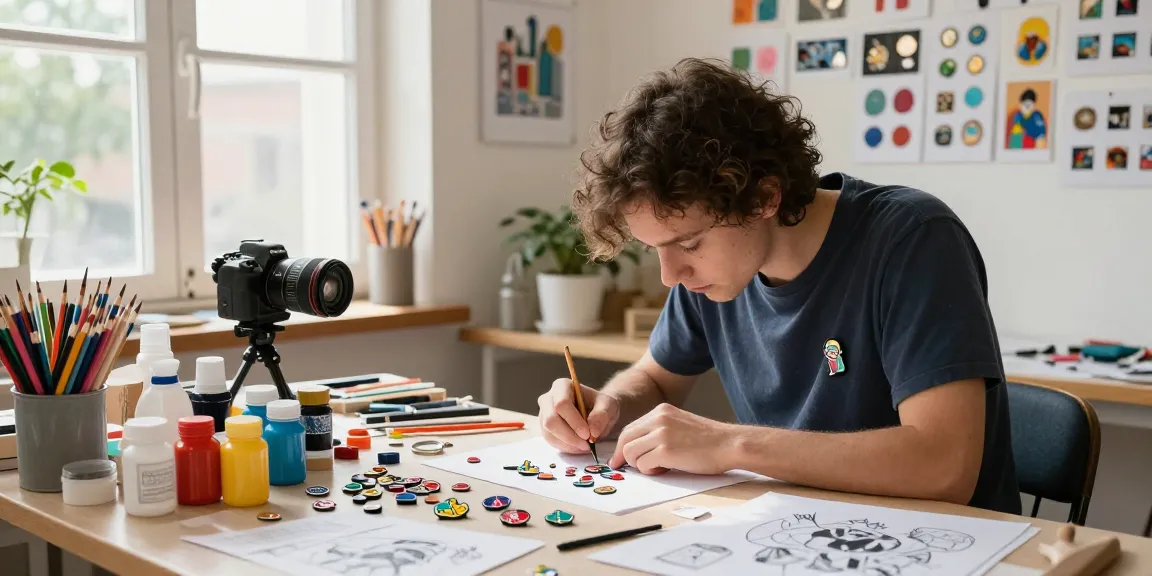
Design is a cornerstone of custom pins, with numerous options available. Popular materials include:
- Acrylic: Lightweight and versatile, ideal for vibrant colors and intricate designs.
- Enamel: Offers a classic look, available in soft and hard varieties, perfect for detailed artwork.
- Metal: Durable and adds a premium feel, often used for commemorative pins and awards.
Current trends show a preference for eco-friendly materials, reflecting consumer interest in sustainable products.
Consumer Preferences and Buying Behavior
Today’s consumers prioritize personalization and storytelling in their purchases. They are inclined to choose custom pins that resonate with their identity or values. The rise of online platforms enables easy access to various designs and styles, catering to the demand for unique, low-cost options. Brands that emphasize a compelling narrative alongside their products often see higher engagement rates.
Key Strategies for Designing Custom Pins
Incorporating Brand Identity into Designs
Incorporating brand identity into custom pins is crucial for fostering recognition. Successful designs utilize brand colors, logos, and themes neatly interwoven into the pin’s aesthetic. Businesses should ensure their pins reflect the core essences of their brand, enhancing their visibility in crowded markets.
Choosing the Right Materials and Processes
Material selection plays a vital role in product quality and consumer perception. For example, while acrylic pins are excellent for intricate designs, metal pins offer durability and a classic touch. Understanding the properties of available materials and aligning them with customer expectations is essential for producing desirable custom pins.
Balancing Aesthetics and Functionality
Custom pins should not only be visually appealing but also functional. For instance, incorporating features like pin backs that allow easy attachment or designing pins to serve dual purposes (e.g., as a bottle opener) increases their utility, making them attractive to consumers.
Marketing Your Custom Pins Effectively
Utilizing Social Media and Influencer Marketing
Social media platforms are invaluable for promoting custom pins. Brands can showcase their designs through eye-catching visuals and targeted campaigns that resonate with potential buyers. Collaborating with influencers can also amplify reach and credibility, as consumers often trust recommendations from individuals they admire.
Leveraging Email Campaigns for Promotions
Email marketing remains a powerful tool for engaging existing customers. Brands can use newsletters to showcase new collections, offer exclusive deals, and share behind-the-scenes content about the design process. Personalizing email content based on consumer preferences helps increase open rates and conversions.
Collaborations and Partnerships in Branding
Partnering with likeminded brands or artists can expand audience reach and introduce fresh design ideas. Collaborations can take various forms, from co-branded pins to joint promotional events, fostering community and engagement while enhancing product visibility.
Challenges in the Custom Pins Industry
Managing Production Costs and Timelines
One major challenge in the custom pins industry is managing production costs while meeting consumer expectations for quality and turnaround time. Effective supply chain management and strategic partnerships with manufacturers can help mitigate these challenges.
Navigating Competitive Markets
The custom pins market is highly competitive, with numerous players offering similar products. Differentiating one’s brand through unique designs, exceptional customer service, and targeted marketing strategies is key to standing out.
Addressing Quality Concerns
Quality assurance is paramount in the custom pins industry. Failing to meet quality expectations can lead to negative customer experiences and reputational damage. Implementing strict quality control measures and soliciting customer feedback plays a vital role in maintaining high standards.
The Future of Custom Pins: What to Expect
Emerging Technologies in Manufacturing
The integration of advanced technologies, such as 3D printing and automation, is poised to revolutionize the custom pins industry. These technologies can streamline production processes, reduce costs, and enhance design capabilities, allowing for more intricate and personalized pin designs.
Innovations in Design and Personalization
As consumers seek more personalized experiences, innovations in design will cater to niche markets. The introduction of customizable features, such as varying pin sizes and shapes, offers consumers greater control over their purchases, enhancing engagement and satisfaction.
Predictions for Consumer Engagement in 2026
Looking ahead, consumer engagement in the pins market is expected to be driven by a blend of personalization and connectivity. Brands that harness customer data to provide tailored experiences will likely thrive. Moreover, the use of AR and VR technologies could provide consumers with interactive design experiences, allowing them to visualize their custom pins before purchase.
What are the benefits of custom pins for brands?
Custom pins enhance brand visibility, create a sense of community, and foster loyalty among customers. They serve as tangible representations of brand values, encouraging consumers to engage with the brand emotionally.
How can I ensure quality in custom pin production?
Ensuring quality begins with selecting reliable manufacturers, conducting thorough pre-production tests, and consistently gathering customer feedback post-production. This proactive approach helps maintain high standards and aligns with consumer expectations.
What materials are best for custom pins?
The best materials depend on the desired outcome. Acrylic is ideal for vibrant designs, while metal offers durability and a premium feel. Understanding the characteristics of different materials helps brands make informed choices tailored to their audience’s preferences.
How can social media help in selling custom pins?
Social media facilitates direct engagement with target audiences, allowing brands to showcase their products through compelling visuals and narratives. Influencer partnerships can also drive sales, as consumers are more likely to trust recommendations from individuals they follow.
What trends should I look for in pin design?
Upcoming trends in pin design include a focus on sustainability, interactive elements, and innovative materials. Brands should remain adaptable and keep an eye on industry developments to stay relevant and appealing to consumers.